


Pet Invisible Fence And Wireless Containment Market Expansion In 2026: 10 Trends Every U.S. Pet Owner Should Watch

In the United States, 94 million households owned at least one pet in 2024, with total pet industry spending reaching 152 billion dollars, and this rising focus on pet safety is setting the stage for major growth in pet invisible fence and wireless containment solutions in 2026. As more families look for humane, low‑stress ways to keep pets safely at home, we are seeing strong demand for physical and wireless containment systems that fit real American backyards and lifestyles.
Key Takeaways
| Question | Answer |
|---|---|
| How fast is the pet invisible fence market growing toward 2026? | The global pet invisible fence market reached 1.5 billion dollars in 2025 and is projected to hit 2.97 billion dollars by 2033, so U.S. buyers in 2026 will see more product choice, better financing, and stronger warranties. |
| Why does North America matter so much in this market? | North America accounts for about 40% of the pet invisible fence market share, which means U.S. demand will strongly influence new containment technologies and service models. |
| Are physical cat-proof systems still relevant in a wireless world? | Yes, many U.S. owners want a visible, passive barrier with no shock, so durable solutions like the Oscillot cat‑proof fence kits collection remain a core part of the 2026 containment landscape. |
| What role does DIY installation play in 2026? | DIY‑ready systems reduce total ownership cost and help more families participate in the market, supported by clear tools like the Oscillot cat fence calculator. |
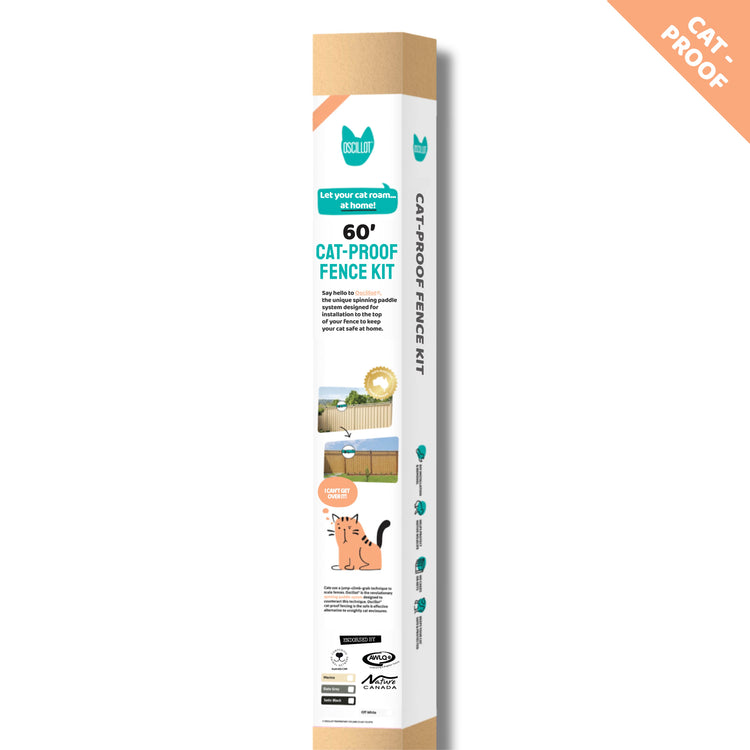
| How are U.S. pet owners budgeting for containment? | With rising pet spending, owners increasingly compare multi‑length kits like the 60' Cat‑Proof Fence Kit versus larger packages to match yard size and cost constraints. |
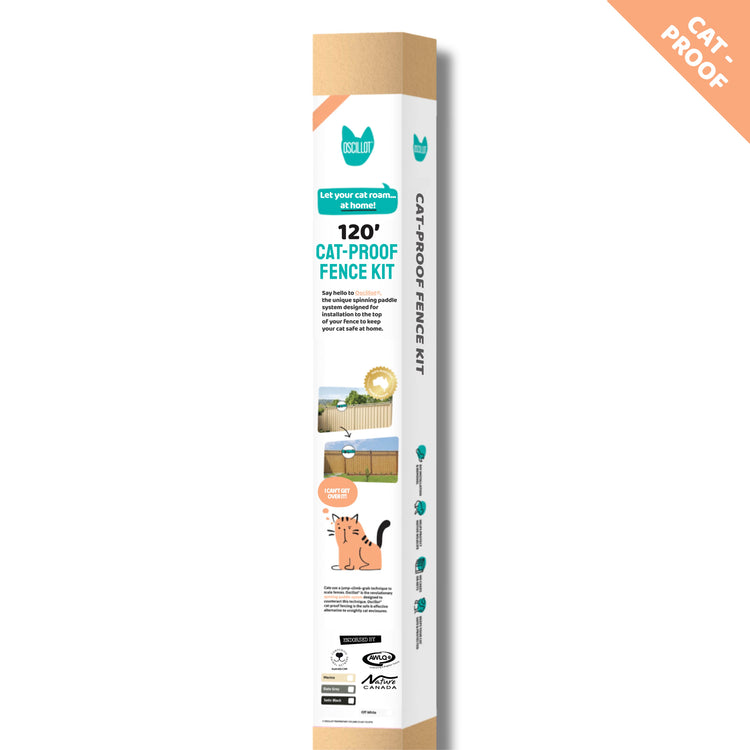
| Do humane, no‑shock options have a place beside wireless collars? | Yes, products such as the original spinning‑paddle 120' Cat‑Proof Fence Kit (DIY) show strong appeal for owners who want containment without electric correction. |
| Where can U.S. buyers see real-world results? | Verified experiences and photos on pages like Oscillot’s installation gallery help families judge whether a system fits their yard before they invest. |
1. Why Pet Containment Is Booming In The United States Ahead Of 2026
The United States has become one of the most important regions for pet invisible fence and wireless containment, because 66 percent of U.S. households now live with at least one pet and want them protected at home. Families are balancing freedom and safety, so they are looking for systems that allow outdoor access without risking busy roads, aggressive wildlife, or not‑so‑pet‑friendly neighbors.
We see two major drivers behind the 2026 expansion. First, pet owners are investing more in behavioral wellness and safety, from calming products to outdoor enrichment, which makes secure yards a natural next step. Second, many U.S. municipalities are tightening leash, roaming, and wildlife‑protection rules, so responsible containment is becoming less of a luxury and more of a necessity.
Physical Barriers Plus Wireless Zones
Invisible and wireless fences are growing quickly, but many U.S. homes still rely on physical barriers as the primary line of defense. For cats and high‑drive dogs, standard fencing often fails, which is why purpose‑built add‑ons are expanding along with wireless collars and GPS boundaries in 2026.
Hybrid setups, where a visible fence is “cat‑proofed” or “coyote‑proofed” and then supplemented with targeted wireless zones, are expected to become more common. That is where solutions like spinning‑paddle fence tops sit comfortably beside wireless technology, giving owners redundancy and peace of mind.

2. Market Growth Forecasts: What 2026 Means For U.S. Buyers
From a planning perspective, 2026 sits near the front of a long, steady growth curve. The global pet invisible fence market was valued at 1.4 billion dollars in 2024 and is projected to reach 3.2 billion dollars by 2033, which gives manufacturers confidence to invest in better hardware, design, and customer support.
Wireless containment is growing as well, with the wireless electric dog fence segment rising from 148 million dollars in 2024 to a projected 214 million dollars by 2032. For U.S. families, this growth translates into a broader choice of humane training collars, multi‑pet systems, and fence‑top hardware built to last longer in harsh weather.
North America’s Influence On Product Design
With North America holding roughly 40 percent of the pet invisible fence market, American backyards are quietly shaping product roadmaps. Fence‑top kits must work on typical U.S. wood and chain link fences, withstand snow in the north and sun in the south, and remain effective around dogs, coyotes, and climbing cats.
We expect 2026 to bring more size options, color choices, and accessory lines tailored to these realities. That is exactly why modular systems that cover as little as 4 feet or as much as 120 feet per kit are becoming the standard building blocks of new installations.
3. Why Humane, No‑Shock Systems Are Gaining Ground Beside Wireless Collars
Not every U.S. pet owner is comfortable with electric correction, even at low levels, and that concern is influencing 2026 product choices. We are seeing strong interest in containment that relies on physical design rather than shock, especially for cats and sensitive dogs.
Systems that use smooth, spinning paddles or rollers on top of existing fences are particularly appealing, because they do not require batteries or collars. Once installed, they simply make it difficult for a pet to gain leverage at the fence line, which keeps the animal inside without startling or punishing them.
Oscillot As A Case Study For Humane Containment
Oscillot is an example of this humane approach, with the original spinning‑paddle cat‑proof fence system that is made in Australia and shipped from North Carolina across the United States. The system uses four‑bladed rollers that freely rotate when a cat attempts to scale the fence, which gently denies the escape attempt and encourages the cat to remain in the yard.
Because it does not use cages, nets, or electricity, this style of containment aligns with the broader wellness trend highlighted by the APPA Dog & Cat Owner Insight Report. U.S. owners who are already investing in enrichment and calming products are naturally drawn to a containment solution that fits the same low‑stress philosophy.

This infographic highlights five key trends shaping the growth of the pet invisible fence and wireless containment market in 2026. Learn what is driving adoption and innovation in pet containment solutions.
4. How Multi-Length Fence Kits Support Market Expansion In 2026
One clear U.S. trend heading into 2026 is the need for flexible, modular systems that fit all kinds of yards, from small city lots to sprawling suburban properties. Multi‑length fence kits meet that need by allowing owners to purchase exactly the coverage they require without paying for unused hardware.
Instead of a one‑size‑fits‑all package, families can choose shorter runs for side yards or courtyards and larger kits for perimeter fences. This modular approach lowers the entry cost, supports phased upgrades, and makes humane physical containment more accessible across income levels.
Oscillot Cat‑Proof Fence Kits Portfolio
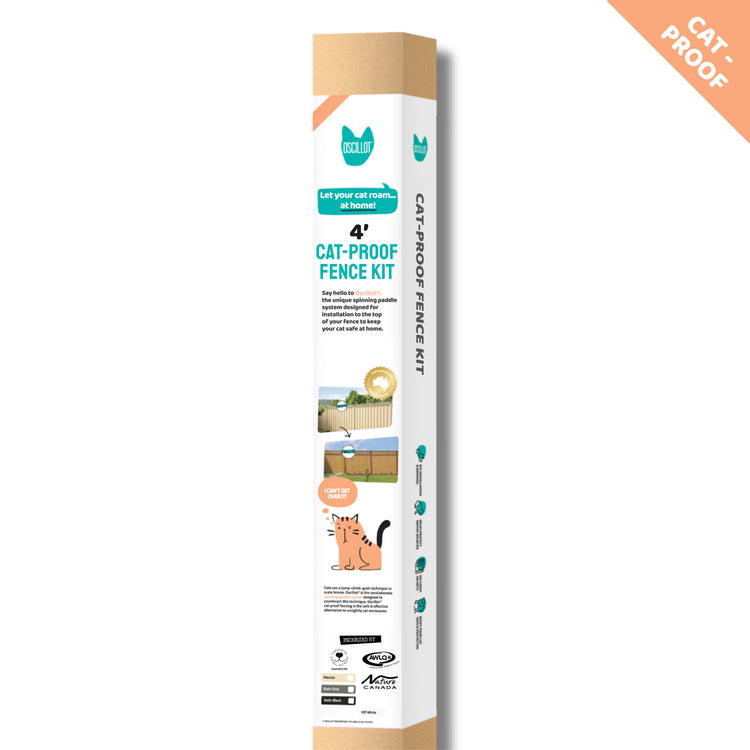
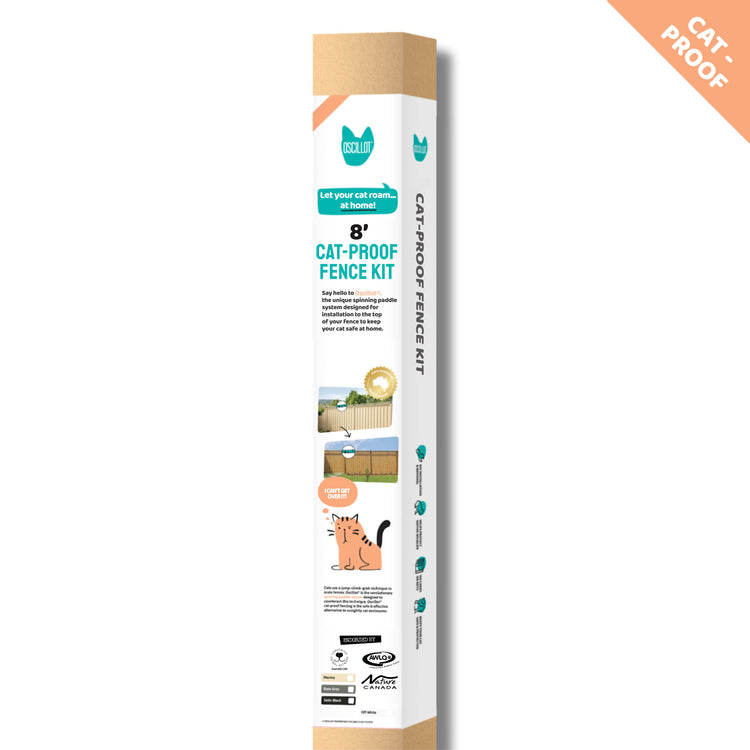
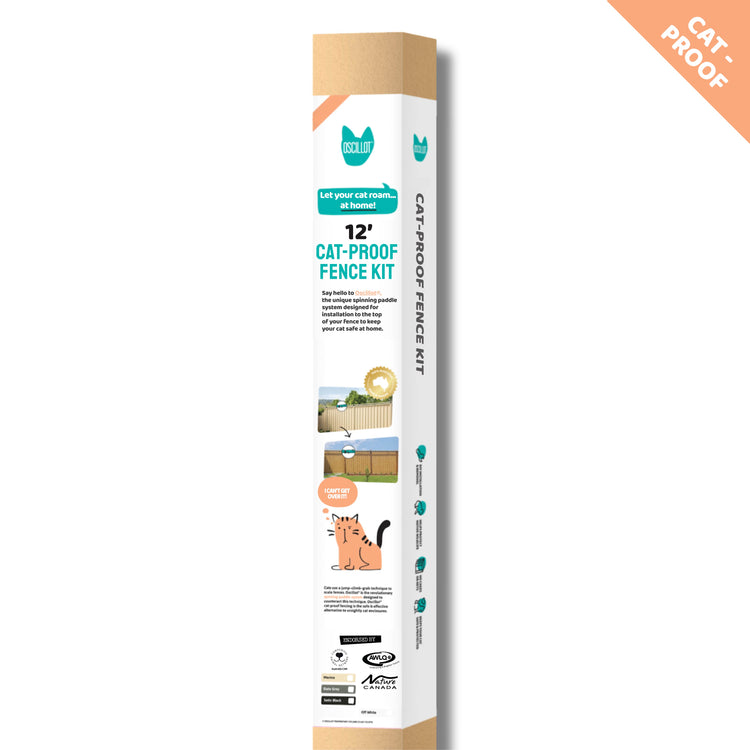
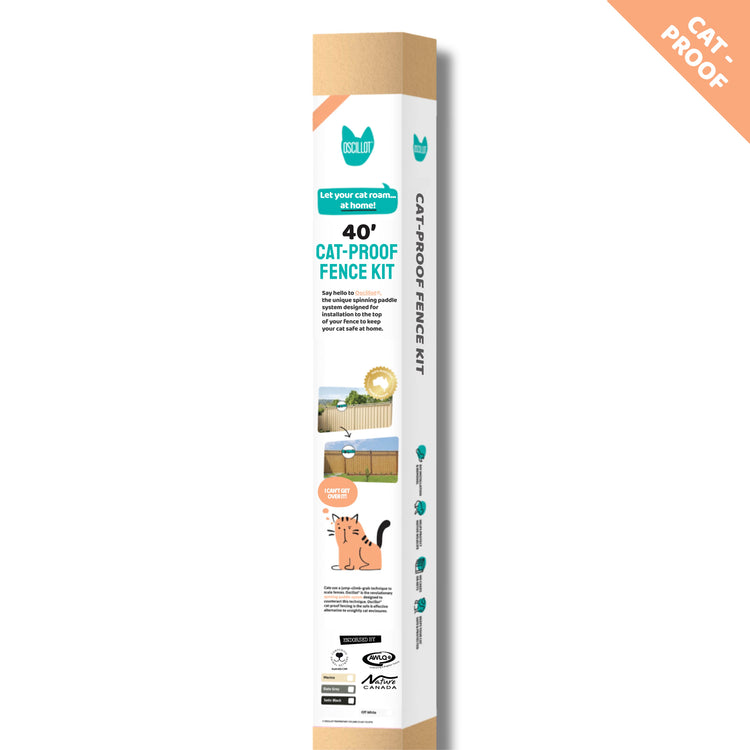
The Oscillot line is a good illustration of how multi‑length offerings will support 2026 market growth in the United States. Homeowners can start as small as a compact 4' Cat‑Proof Fence Kit (DIY) for a specific escape route or scale up to full‑yard coverage with 40, 60, 100, or 120 foot kits.
This variety helps owners match investment to risk level and property size, which is crucial when budgets are tight but safety is non‑negotiable. It also encourages gradual expansion, such as securing the most dangerous boundary near a road first, then extending coverage over time.
5. The Role Of Large 100' And 120' Fence Kits In U.S. Suburbs
In many American suburbs, backyards are large enough that short containment add‑ons are not practical. For these properties, longer kits in the 100 to 120 foot range become the backbone of any physical containment plan and are a key part of projected 2026 sales.
These larger kits reduce per‑foot cost and streamline installation, which matters when owners are covering multiple property lines. They also align well with the increasing use of professional installers, who prefer fewer joints and transitions for reliability.
120' Cat‑Proof And Dog‑Proof Kits
The 120' Cat‑Proof Fence Kit (DIY) from Oscillot is designed specifically for these larger U.S. yards, providing a full 120 feet of spinning paddles and mounting hardware shipped from North Carolina. For households with dogs and feline escape artists, the 120' Dog‑Proof Fence Kit (DIY) offers a way to deter larger animals from breaching the top of the fence.
We expect 2026 to bring more financing options and bundled pricing for these longer kits, making them easier to budget against wireless systems that require multiple receivers and subscriptions. Large‑format kits also integrate well with hybrid wireless setups, forming a secure base perimeter that wireless zones can complement.
6. Wireless Containment And Multi‑Pet Households In 2026
Wireless containment will continue to grow in 2026, especially for U.S. dog owners who want flexible boundaries without modifying fences. Approximately 45 percent of dog owners already prefer wireless containment systems over traditional fencing, and that share is expected to climb as technology improves.
From a capability standpoint, 2 to 3 collars are now typical for multi‑dog wireless fences, and 3‑in‑1 systems that combine training, containment, and zone control are becoming standard around 2025 and 2026. This trend mirrors U.S. households that keep both dogs and cats, or several dogs, and need integrated coverage instead of juggling separate products.
Why Physical Add‑Ons Still Matter With Wireless
Even in homes that rely on wireless collars, fence‑top systems still add value as a visible, passive backup. Collars can fail, batteries can die, and Wi‑Fi or GPS interference can disrupt the invisible boundary, especially in dense suburban neighborhoods.
By contrast, a spinning‑paddle barrier remains in place regardless of electronics, and that redundancy is attractive for owners who want layers of safety. In 2026, we expect more households to blend these technologies, using humane fence‑top systems alongside smart wireless devices.
7. Aesthetics, Color Choices, And Neighborhood Standards
American homeowners increasingly want containment that looks as good as it works, especially in neighborhoods with strict HOA rules. Visible structures like cages and tall netting can be hard to approve, while low‑profile fence‑top systems tend to blend more easily with existing designs.
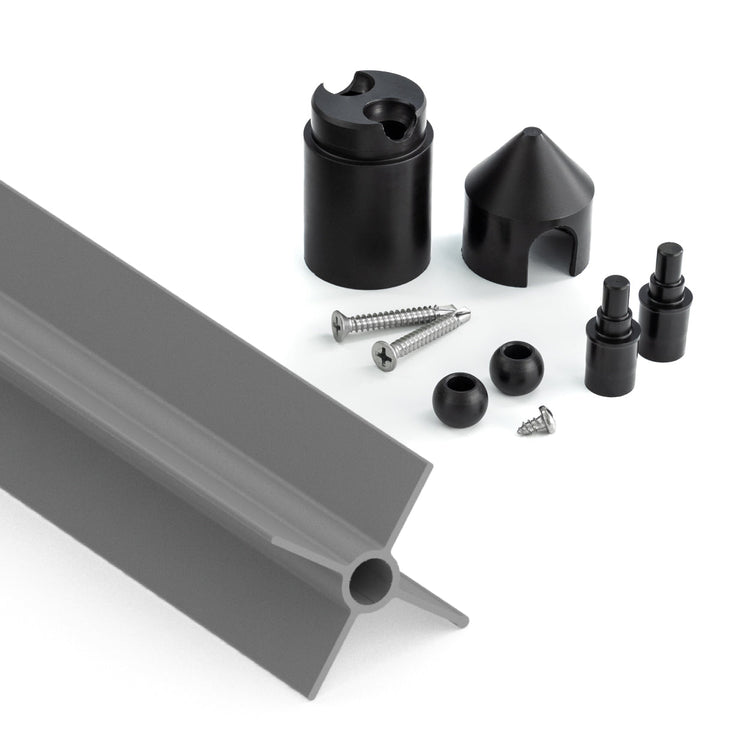
Color choice is a quiet but important part of 2026 market expansion. Matching or complementing common U.S. fence colors like black, white, tan, and earth tones helps owners keep curb appeal while adding serious safety for their pets.
Color‑Matched Components For U.S. Yards
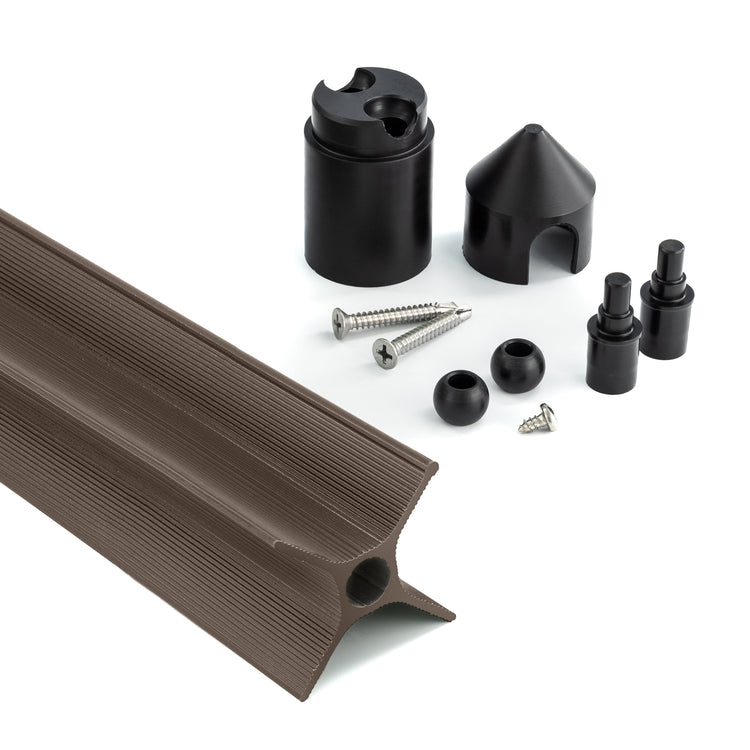
Oscillot hardware demonstrates where the market is heading, with components available in finishes such as Satin Black, Banyan Brown, Merino, Rivergum, Primrose, and Gun Metal Grey. These colors allow the system to sit discreetly on wood, metal, or vinyl fences, rather than drawing attention like a cage or enclosure.
Accessory pieces like posts, caps, brackets, and axle pins follow the same design logic, so the overall look remains clean and intentional. By keeping visual impact low, these systems help owners prioritize safety without sacrificing the character of their yard.
8. DIY Installation, Measurement Tools, And Service Support
For U.S. households, one of the main barriers to adopting pet containment has always been installation complexity and cost. In 2026, we expect more systems to move toward clear DIY paths with optional professional help, so owners can choose how much work they want to do themselves.
Online guides, calculators, and galleries are becoming standard, because they reduce mistakes and give buyers confidence that a kit will fit their specific yard. This support also makes humane physical systems more competitive against plug‑and‑play wireless products.
Oscillot’s DIY‑Friendly Ecosystem
Oscillot was designed for easy do‑it‑yourself installation, supported by resources like the detailed installation guide and a practical how to measure your yard page. Together with the cat fence calculator, these tools help U.S. owners choose the right combination of 4, 8, 12, 16, 40, 60, 100, or 120 foot kits.
For those who want extra help, partnerships with task‑based services and local installers are likely to keep expanding through 2026. This hybrid support model lets more pet owners keep their cats and dogs safe without feeling overwhelmed by planning or construction.


9. Verified Results, Guarantees, And Growing Consumer Trust
As the U.S. market grows, pet owners are understandably cautious about which invisible and physical fence brands they trust. Verified reviews, before‑and‑after photos, and solid guarantees all play a critical role in helping families choose a system that will keep their pets safe for the long term.
Generous trial periods and warranties are also becoming a competitive differentiator, especially for higher‑cost kits that cover larger properties. Pet owners want assurance that, if the system does not work for their specific animal or yard layout, they have support and options.
Oscillot’s Assurance To U.S. Customers
Oscillot backs its cat‑proof fence systems with a focus on longevity and peace of mind, including a 3‑year manufacturer’s warranty on components designed to last years outdoors. A 60‑day money back guarantee gives U.S. buyers time to confirm that their cats actually stay contained before they fully commit.
On top of that, the brand highlights support for animal shelters and veterans, which matters to many American families who care about where their money goes. Combined with verified customer reviews and visible success stories, these assurances help drive adoption in a crowded 2026 market.
10. Protecting Wildlife And Neighborhood Harmony In U.S. Communities
Containment in 2026 is not only about protecting pets, but also about reducing conflicts with wildlife and neighbors. Free‑roaming cats can be a serious threat to native birds and small mammals, and off‑leash dogs can put pressure on people and pets next door.
U.S. communities are increasingly aware of these issues, so solutions that help keep cats inside a yard and dogs from jumping fences contribute directly to neighborhood harmony. Physical and wireless systems that do this quietly and humanely are likely to see strong support from local councils and homeowners associations.
Fence‑Top Systems As Wildlife Protection Tools
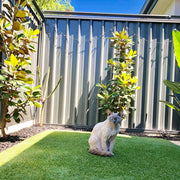
Oscillot frequently highlights that its cat‑proof fence rollers help protect native wildlife by stopping roaming and hunting. By keeping cats safe at home, these systems reduce the impact on birds and small animals without confining the cat inside a cage.
For U.S. pet owners who care deeply about both their animals and local ecosystems, this dual benefit is compelling. As awareness of wildlife conservation grows, we expect products that support both pet safety and environmental responsibility to play a larger role in the market’s 2026 expansion.


Conclusion
The pet invisible fence and wireless containment market in the United States is set for meaningful expansion in 2026, driven by rising pet ownership, higher safety expectations, and a strong shift toward humane, reliable solutions. Families are not just buying gadgets, they are looking for long‑term ways to keep dogs and cats protected while preserving the look and feel of their yards.
As the market grows, we expect to see even more integration between wireless technologies and proven physical systems like cat‑proof fence rollers. By choosing thoughtfully designed products, using planning tools, and taking advantage of guarantees, U.S. pet owners can keep their animals safe at home and support a healthier balance with neighbors and local wildlife.


