


Benefits for Wildlife and Your Yard: 10 Proven Ways To Turn A U.S. Backyard Into A Safe Haven

There are more than 67 million acres of residential yard in the United States, and every one of those acres can either help or harm local wildlife. When we make our yards safer for animals and birds, we also make them safer and more enjoyable for our own families and pets.
Key Takeaways
| Question | Answer |
|---|---|
| How can my yard actually help wildlife? | By providing food, water, shelter, and safe movement routes, your yard can function as mini habitat that supports birds, pollinators, and small mammals across U.S. neighborhoods. |
| What is the biggest benefit of a wildlife-friendly yard for me? | You enjoy a healthier, more beautiful outdoor space with fewer pests, more birds, and a calmer environment for your pets when you use safe containment like the systems explained on What is Oscillot. |
| How do I keep my cat from harming wildlife while still enjoying the yard? | Secure outdoor containment, such as cat-proof fence kits shown in the cat-proof fence height guide, lets your cat stay in your yard and away from songbirds and small mammals. |
| Can dog fencing benefit local wildlife? | Yes, a secure dog-proof perimeter, like the systems discussed in 12 essential benefits of installing dog fences, prevents chasing and stressing wildlife while still giving dogs room to play. |
| What is a simple first step to make my yard wildlife-friendly? | Start by planting native, pet-safe plants inside a secure zone and using ideas from the garden companion guide for pet-friendly plants, then reduce chemicals and open soil where possible. |
| Does a wildlife-friendly yard require a big budget? | No. Many changes like leaving some leaves, adding a shallow water source, or installing a few key components such as an affordable bracket or post are low-cost projects. |
1. Why Making Your U.S. Yard Wildlife-Friendly Benefits Everyone
Across the United States, yards already attract a surprising range of species, from common songbirds to mammals like raccoons and foxes, so every design choice we make has real impact. When we shape these spaces with wildlife in mind, we protect local ecosystems and give our pets a safer place to explore.
Many U.S. adults are already moving in this direction, with about 12% converting portions of lawn to natural or wildflower plantings. As more households join this shift, neighborhood yards start to work together as connected habitat for birds, pollinators, and small animals.

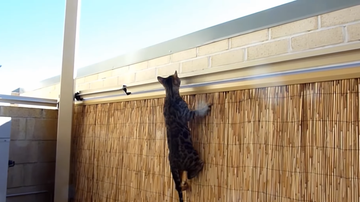
Shared space for pets and wildlife
We design our containment solutions around a simple goal, which is to keep pets safe in their own yard without harming or trapping wildlife. That balance allows birds, pollinators, and beneficial insects to use your space while preventing your cat or dog from roaming into sensitive habitat.
By thinking about your fence line, plant choices, and ground cover together, you can create a yard that welcomes wildlife visitors and still works for everyday family life.
Making your yard part of a larger habitat network
Residential areas often surround parks, creeks, and greenbelts across U.S. cities and suburbs, so yards function as stepping stones between these natural areas. When your yard offers food, cover, and safe passage, it supports animals that otherwise struggle in heavily paved neighborhoods.
Small changes add up quickly when multiple neighbors adopt similar practices, so your yard improvements can inspire and support an entire block or community.
2. Containing Cats Humanely To Protect Songbirds And Small Wildlife
Outdoor cats are skilled hunters, so even a single pet can have a serious impact on birds, reptiles, and small mammals in a typical U.S. neighborhood. When we contain cats within our own yards in a safe, humane way, we reduce that pressure on local wildlife without taking away outdoor time from our pets.
Wire-free systems are especially important, because they keep cats in while avoiding the risks that netting and electrified setups can create for birds or climbing animals. The Oscillot concept, described on our informational page, focuses specifically on cat safety and wildlife protection without cages or shock.

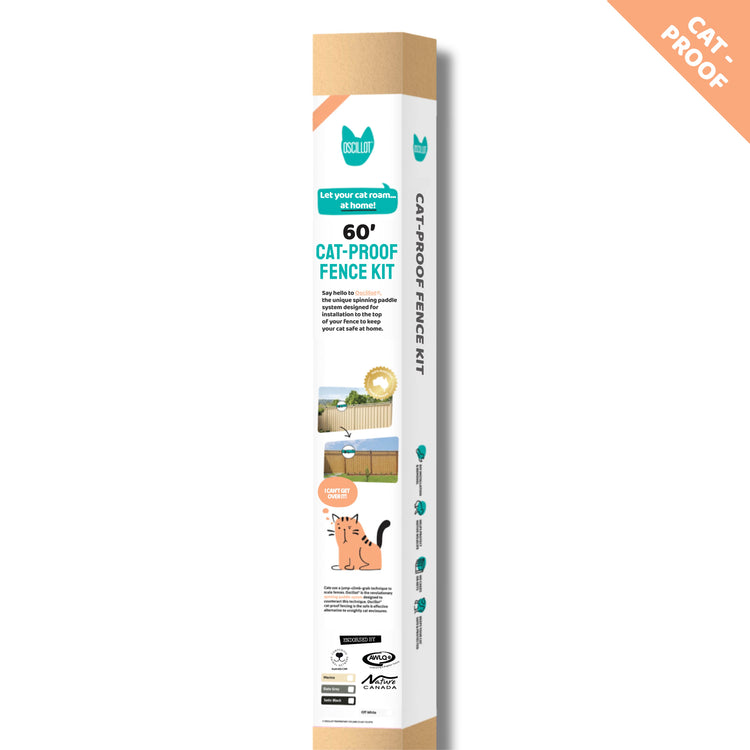
How cat-proof fencing helps wildlife
By preventing cats from climbing out of the yard, cat-proof fence kits keep them from reaching nesting birds, lizards, and small mammals in neighboring properties and parks. That protection is especially valuable in U.S. regions where sensitive or migratory species pass through residential areas.
At the same time, secure containment reduces stressful chases and injuries for wildlife that may already be struggling with traffic and habitat loss.
Benefits for your cat and yard
Keeping your cat in your yard reduces exposure to cars, predators, diseases, and toxins, which means fewer emergencies and a calmer daily routine. Your garden beds and lawn also suffer less scratching and digging when your cat has a defined, secure perimeter.
Many cat owners find that once the boundary is clear and reliable, their cats settle into predictable paths and sunny spots inside that zone, which reduces stress for both pets and people.
3. Dog-Proof Fencing That Protects Wildlife And Your Landscape
Uncontained dogs often chase deer, rabbits, and ground-nesting birds, and they can damage sensitive planting beds with repeated running and digging. A reliable dog-proof system lets your dog enjoy off-leash exercise while sharply reducing stress and injury risk for local wildlife in your neighborhood.
In U.S. yards where dogs share space with pollinator gardens or bird feeding areas, managing how and where dogs can move becomes critical for keeping those habitats productive.
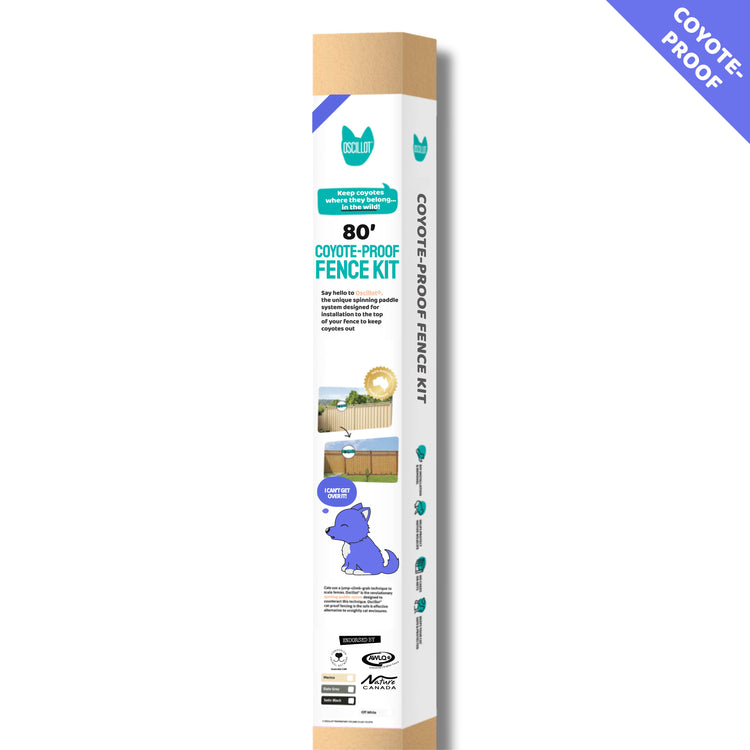
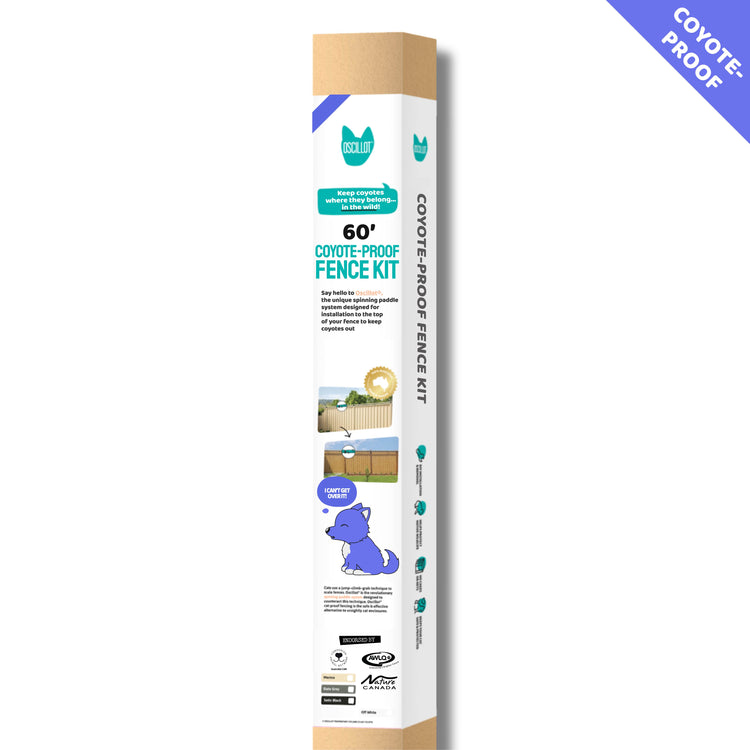
Giving your dog freedom inside a safer boundary
Dog-proof fence kits provide a defined perimeter for play, which means your dog can run, sniff, and rest off leash without reaching wildlife corridors, neighboring yards, or streets. This not only protects other animals, it also lowers the risk of property damage and complaints from neighbors.
With a consistent boundary, many dogs become more relaxed, because they understand where they are allowed to be and spend less time trying to escape.
Reducing wildlife conflicts and garden damage
When your dog cannot chase through bird-friendly shrubs or pollinator beds, those plantings have time to mature and provide reliable food and cover. Ground-nesting species, frogs, and beneficial insects all benefit from fewer disturbances and compacted soil.
A clear separation between active pet zones and quieter habitat areas helps you maintain both a durable lawn and thriving wildlife spaces in the same yard.
Learn how a wildlife-friendly yard can attract beneficial wildlife and support local ecosystems. Discover practical steps to make your outdoor space more inviting and sustainable.
4. Using Native, Pet-Safe Plants To Support Pollinators
Native plants are four times more attractive to pollinators than non-native plants, so your plant list directly affects bees, butterflies, and hummingbirds in your yard. When you choose species that are both native and pet-safe, you support wildlife and reduce the risk of poisoning for cats and dogs that explore garden beds.
Across U.S. regions, local extension services and plant societies can help you select natives suited to your climate, while our garden guides focus on what works safely inside a pet containment zone.
Plant choices that work with pet containment
Inside a fenced containment zone, you can group shrubs, grasses, and perennials to create layers of habitat that still leave open paths for pets. Selecting sturdy, non-toxic plants prevents damage and keeps your vet bills down when dogs or cats decide to chew or brush through foliage.
Pet-friendly plant guides help you avoid common toxic species while still achieving color, shade, and seasonal interest that support wildlife.
Pollinator benefits around your yard
When you plant natives in clusters rather than single specimens, pollinators can feed more efficiently and spend more time in your yard. Over time, this increases seed set for your plants and improves fruit production if you grow berries or small fruit trees.
These plantings often require less water and fertilizer than exotic species, which supports soil organisms and reduces chemical runoff into local waterways.
5. Bird-Friendly Yards That Also Keep Birds Safe From Pets
In the 2024 Great Backyard Bird Count, people in the United States documented 676 bird species, which shows how many birds already pass through residential areas when habitat is available. A yard that offers food, water, and safe cover can quickly become a regular stop for migrants and local species alike.
However, attracting birds without considering pet behavior can create risk, especially if cats can reach feeders and nest sites along fence lines.

Placing feeders and baths with safety in mind
We encourage placing bird feeders and baths away from shrub edges and climbing routes that pets can use, especially along fences or trees that border the containment zone. This layout gives birds clear sightlines and escape routes while still keeping them visible from your windows or patio.
If you already use a cat-proof or dog-proof system, you can adjust feeder locations to favor areas that your pets cannot reach, which greatly reduces predation risk.
How pet containment supports bird diversity
When cats and dogs cannot roam beyond the yard, ground-feeding birds and fledglings have a better chance of surviving critical periods in spring and summer. Over time, you may notice more species using your yard, especially if you pair safe pet containment with native plantings and reliable water sources.
Consistent food and safety encourage birds to return year after year, which turns your yard into a small but meaningful piece of U.S. bird habitat.
6. Safe Fence Designs That Help Wildlife Move Without Getting Trapped
Traditional yard barriers like barbed wire, loose netting, or poorly maintained wood can trap or injure wildlife that attempts to cross. When we design fences that are smooth, predictable, and free of entangling materials, we sharply reduce the chance of unintended harm to birds and climbing mammals.
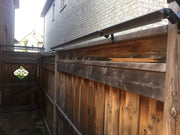
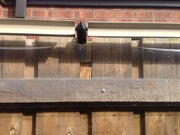
Cat-proof and dog-proof systems that rely on solid paddles or posts, instead of loose mesh, are especially helpful because they discourage climbing without wrapping around wings or legs.
Why wire-free systems matter
Wire-free fence toppers avoid hazards like entanglement, electric shock, or net collapse that can occur with some do-it-yourself setups. Smooth, rounded components discourage climbing without presenting narrow gaps or loose loops where animals can be caught.
This is particularly important in U.S. regions where raptors, owls, or tree-dwelling mammals frequently use fence lines as travel routes or hunting perches.
Helping wildlife navigate your property edges
In some areas, small animals may still need to pass under or around your fence to reach larger habitat patches. Leaving select low gaps or designing sections that allow small wildlife to move while still containing pets can be an effective compromise.
Every yard is different, so it is helpful to observe how wildlife currently uses your fence line before making major changes, then adjust designs accordingly.
7. Building A Safe Containment Zone With Durable Components
Creating a wildlife-friendly yard that also protects pets starts with a reliable containment zone that will last for years outdoors. High quality hardware and paddles avoid sharp edges, rust, or failure points that could harm both animals and people.
We focus on components that are engineered for durability, so once your system is in place, you can concentrate on plants and habitat features instead of constant fence repairs.

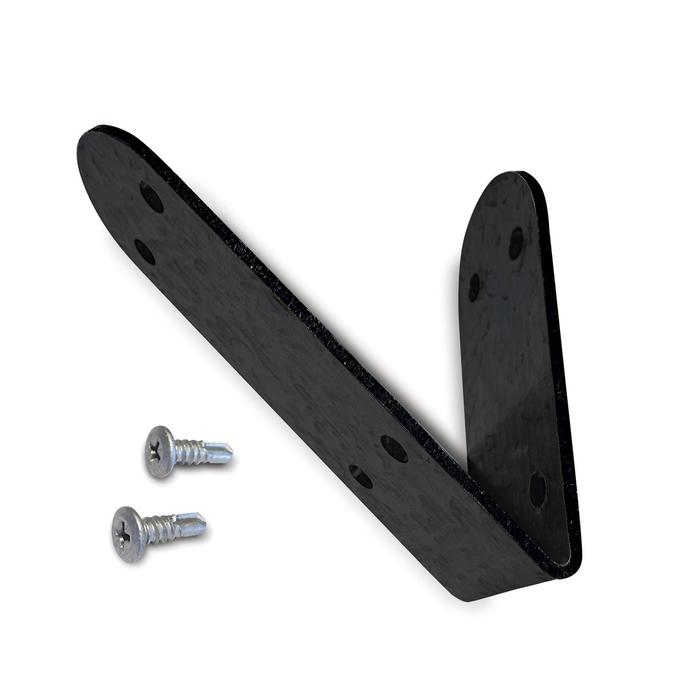
Post and bracket design in a wildlife-aware yard
A simple $5.30 post component and a $3.20 bracket may not look like wildlife tools at first glance, but they play an important role in safe containment. Straight, machined parts hold paddles securely so nothing bends or breaks into shapes that could snag feathers or fur.
Because these parts support the system that keeps pets in your yard, they indirectly protect birds, small mammals, and reptiles in surrounding green spaces.
Why durability matters for habitat planning
When your containment hardware holds up over time, you avoid emergency fixes that might involve temporary netting or ad hoc barriers that are risky for wildlife. You can also plant permanent shrubs, trees, and perennials along the fence line, confident that the layout will not change dramatically next year.
This stability helps wildlife learn and rely on your yard over the long term, especially in suburban and urban U.S. neighborhoods where safe spots may be limited.
8. Reuse And Budget-Friendly Options That Still Support Wildlife
Creating a yard that works for wildlife and pets does not require a premium budget, especially when you combine new and reused materials thoughtfully. Simple actions like repurposing leaves for mulch or choosing pre-owned components help both your wallet and the environment.
In fact, surveys show that more than half of collected leaves are already being reused as mulch or compost, which directly benefits soil organisms and ground-dwelling wildlife.

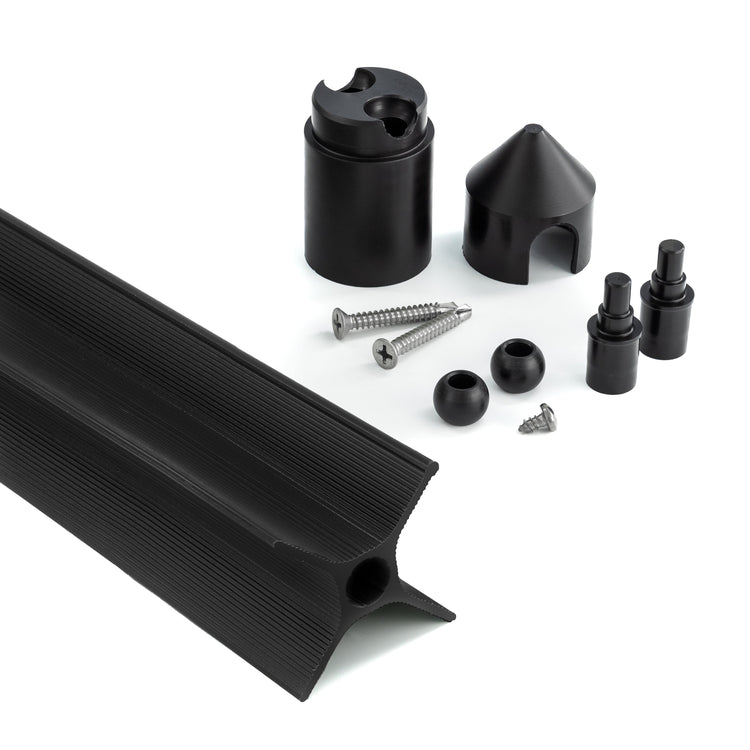
Using pre-owned components responsibly
Pre-owned paddle sets allow you to extend the life of existing materials instead of sending them to landfills, which reduces resource use and manufacturing impact. Because these parts still meet functional standards, they continue to help contain pets and protect wildlife without compromising safety.
If you choose reused components, just be sure to inspect them carefully before installation so your system remains reliable over time.
Low-cost habitat improvements
Beyond hardware, you can build brush piles from pruned branches, leave small leaf layers in bed corners, and add shallow water dishes to provide low-cost wildlife support. These features create microhabitats for insects, toads, and ground-feeding birds that complement your larger containment system.
Combining budget-friendly actions with durable fencing gives you a practical path toward a more wildlife-friendly yard, even on a tight schedule and budget.
9. DIY Cat And Dog Containment: Practical Kits For U.S. Yards
Many U.S. homeowners prefer do-it-yourself projects, and containment systems are no exception when they are designed with clear instructions. DIY installations let you tailor the layout to your specific yard size, slope, and existing fence materials while keeping labor costs under control.
When you handle the install yourself, you also gain a deeper understanding of how the system works, so you can maintain it easily in future years.
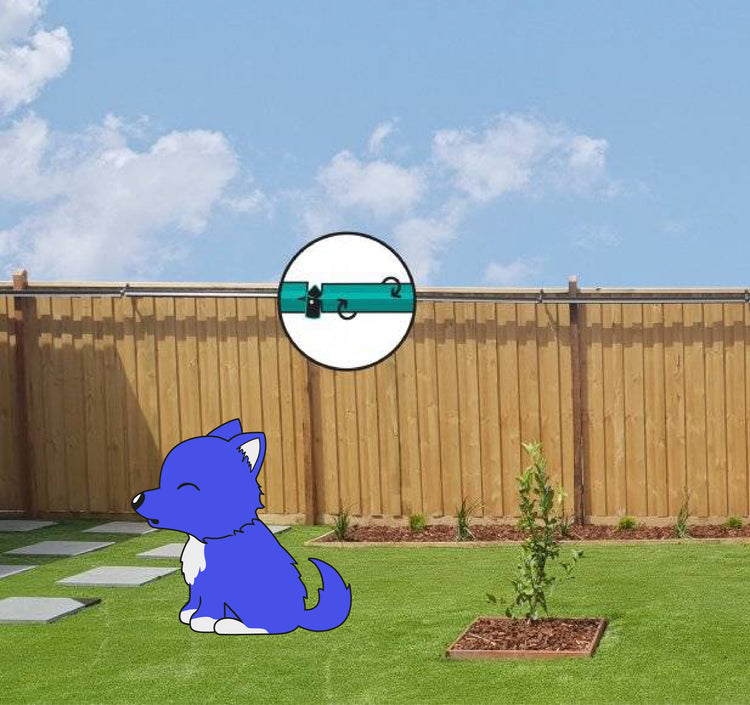
Cat Paddle Set (DIY)
The Cat Paddle Set (DIY) is designed for owners who want to add cat-proof toppers to an existing fence with standard tools and a free afternoon. At around $26.30 per set, it offers a cost-effective way to build a continuous barrier that keeps cats from gaining enough leverage to climb over.
Because the paddles are solid and smooth, they protect cats without using nets, wires, or shock, which keeps passing wildlife safe as well.
Dog Paddle Set (DIY)
The Dog Paddle Set (DIY) uses similar principles to discourage dogs from climbing or jumping over fence lines that separate your yard from wildlife corridors or roads. With individual parts like paddle components priced at around $5.30, you can scale the project to match your fence length and budget.
DIY-friendly hardware and clear installation guidance help you complete the system accurately, which is essential for both pet security and wildlife protection.
10. Real-World Examples Of Pet-Safe, Wildlife-Friendly Yards
Across the United States, we see shelters, rescues, and private homes use pet containment to share outdoor space safely with wildlife. These yards often combine secure fencing with thoughtful planting and ground cover, which together create a balanced environment.
Over time, families report more bird activity, visible pollinators, and calmer pets that still enjoy fresh air and sunshine within a known boundary.


Shelters and community examples
Animal shelters that install cat-proof systems around outdoor runs often see reduced escape attempts and calmer cats that still experience natural light and fresh air. These same spaces frequently become small wildlife havens, with birds and insects using plantings around the runs as safe habitat.
Because shelters host many animals in one place, reliable containment also prevents conflicts with nearby wildlife that might otherwise approach at night.
What you can adapt for your own U.S. yard
You do not need a large property to apply the same ideas at home, since even a modest suburban yard can support a mix of native plants, small water sources, and safe fencing. Start by deciding which areas will be active pet zones and which will remain quieter habitat strips, then choose containment and plants to match those goals.
With each improvement, you turn a standard lawn into a shared space where your pets, local wildlife, and family can all benefit together.
Conclusion
Across the 67 million acres of residential yard in the United States, small decisions about fencing, plants, and ground cover have big consequences for wildlife and pets. When we keep cats and dogs safely contained, use native and pet-safe plants, and design fences that avoid trapping animals, our yards become healthier for everyone who uses them.
By taking practical steps like installing reliable DIY containment, adding bird- and pollinator-friendly features, and reusing materials thoughtfully, you create a yard that looks good, feels safe, and quietly supports the wildlife that shares your neighborhood every day.


