


Annual Oscillot System Maintenance: Seasonal Care Guide for North American Climates

Protecting Your Investment Through Year-Round Maintenance
North America's diverse climates—from humid southeastern summers to harsh northern winters, arid southwestern conditions, and temperate Pacific Northwest—create unique maintenance requirements for cat containment systems. Oscillot's passive mechanical design requires minimal upkeep, but understanding seasonal maintenance protocols ensures your system performs reliably for decades. This comprehensive guide covers seasonal maintenance strategies tailored to North American weather patterns and environmental conditions.
Unlike complex pet fencing systems requiring professional servicing, Oscillot maintenance is straightforward DIY work requiring basic tools and 30–60 minutes per season. The key is consistency: regular maintenance prevents minor issues from becoming major problems and extends component lifespan indefinitely.
Spring Maintenance (March–April): Post-Winter System Check
After North America's variable winter months, spring is the ideal time for comprehensive system inspection and component verification.
Spring Maintenance Checklist:
- Visual inspection of all posts: Check for any visible cracks, brittleness, or discoloration indicating cold-weather damage
- Bearing rotation test: Manually rotate each paddle set through full range of motion; should operate smoothly without binding
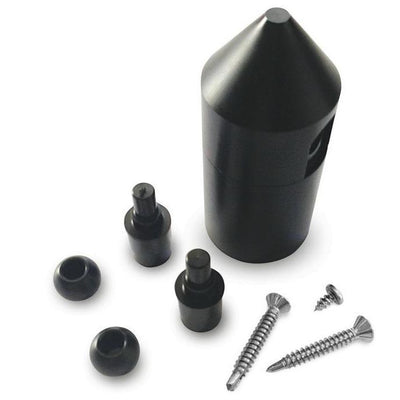
- Bracket fastening verification: Tighten all bolts and fasteners (check for corrosion from winter moisture)
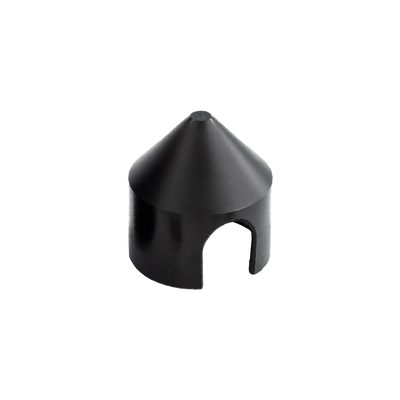
- Post cap condition: Verify caps are seated properly and haven't shifted during winter weather
- Ground level assessment: Check that soil hasn't settled, affecting bracket alignment
- Debris removal: Clear leaves, twigs, and winter debris from bearing assemblies
- Photographic documentation: Take wide-angle photos of complete system for warranty records
Spring Maintenance Deep Dive:
Bearing Rotation Testing: This is the most critical spring task. Manually lift and rotate each paddle set through its complete rotation range (paddle should move freely from horizontal to vertical and back). If any resistance appears, clean bearing assembly thoroughly before concluding maintenance. Oscillot bearings rarely require lubrication—any stiffness typically indicates debris accumulation rather than bearing failure.
Fastener Inspection: North American spring weather can bring moisture and temperature fluctuation. Use an adjustable wrench to tighten each bolt on bracket assemblies—a quarter-turn is usually sufficient. Don't over-tighten, which can crack plastic components. If bolts show white corrosion (aluminum oxide), wipe clean with a dry cloth.
Summer Maintenance (May–August): Heat and Humidity Management
North America's hot, humid summers present unique challenges for outdoor equipment. High temperatures and moisture create conditions favoring oxidation and plastic degradation.
Summer Maintenance Priorities:
- Monthly bearing rotation tests: Heat acceleration makes monthly checks valuable (rather than seasonal checks)
- Debris management: Weekly removal of leaves, pollen, and organic matter from bearing assemblies
- UV protection inspection: Verify plastic components haven't become brittle from extended UV exposure
- Corrosion monitoring: Check aluminum components for white oxidation indicating salt/humidity exposure
- Cat activity observation: Increased outdoor time means increased paddle interaction—monitor for wear patterns
Managing North American Heat Effects:
Plastic Component Flexibility: Oscillot plastic paddles are engineered to remain flexible across North American temperature extremes (from 110°F summer peaks to -20°F winter lows). However, extended direct sunlight can cause surface brittleness. If paddles feel stiff or brittle when tested, increase humidity by misting with water—flexibility typically returns within hours. This is normal weathering, not product failure.
Bearing Lubrication in Summer Heat: Oscillot bearings are designed for zero-maintenance operation. However, in extremely hot climates (95°F+), bearings may benefit from lightweight silicone spray once annually. This is optional maintenance but can extend bearing life in extreme conditions. Apply sparingly and wipe excess.
Fall Maintenance (September–October): Pre-Winter Preparation
As North America transitions to cooler months, fall maintenance prepares your system for winter weather variation and establishes baseline conditions for spring assessment.
Fall Maintenance Checklist:
- Deep bearing cleaning: Remove all accumulated debris using small brushes and compressed air
- Full fastener inspection: Check every bolt, nut, and fastener for tightness and corrosion
- Bracket alignment verification: Confirm brackets are perpendicular to fence (settlement or fence movement can misalign systems)
- Post cap seating: Ensure caps are fully seated and won't shift during winter weather
- Weatherproofing inspection: Check for any gaps where water might accumulate in bearing assemblies
- Structural integrity check: Visually inspect entire fence line for any movement or shifting
Pre-Winter System Hardening:
North American fall rains can introduce moisture into bearing assemblies. Before winter, verify drainage around all bearing assemblies. If water accumulates, tilt brackets slightly to improve drainage or add small drain holes (consult Oscillot support for guidance). This prevents freeze-thaw cycles from damaging bearings in northern regions.
Winter Maintenance (November–February): Cold Weather System Care
North American winters vary dramatically by region—from harsh subzero conditions in the north to mild winters in the south. Region-specific maintenance strategies are essential.
Winter Maintenance Priorities (Cold Regions):
- Monthly snow/ice clearance: Remove snow and ice accumulation from bearing assemblies (prevents mechanical binding)
- Moisture management: Ensure no standing water in bearing assemblies (critical in freeze-thaw regions)
- Fastener inspection: Cold temperatures cause metal contraction; retighten bolts monthly
- Plastic flexibility monitoring: Cold can make plastic slightly brittle; test paddle flexibility monthly
- Debris clearing: Winter leaves and organic matter can trap moisture; clear weekly
Winter Maintenance for Mild Regions:
Southern United States experiences mild winters without harsh freeze-thaw cycles. Maintenance priorities shift to moisture management: monthly bearing inspections become less critical, debris removal focuses on winter leaf drop, and moisture-reducing measures become less necessary. The same maintenance procedures apply—just with reduced frequency due to gentler environmental conditions.
Emergency Maintenance: Addressing Seasonal Issues
Issue: Paddles Stiff in Cold Weather
Cause: Plastic naturally stiffens in cold. Solution: Mist with warm water; flexibility returns within hours. This is normal and not a defect.
Issue: Post Caps Shifting or Loose
Cause: Thermal expansion/contraction causes movement. Solution: Reseat caps and verify post-to-bracket fastening is tight. Consider adding small retaining clip if chronic issue (available from Oscillot spare parts: $5.99 USD).
Issue: Bearing Assembly Won't Rotate Smoothly
Cause: 95% of cases are debris accumulation. Solution: Clean thoroughly with compressed air and small brush. If stiffness persists, contact Oscillot support (bearing replacement: $21–$27 USD).
Issue: Visible Corrosion on Aluminum Components
Cause: Salt spray or humidity exposure creating white aluminum oxide. Solution: Wipe with dry cloth; this is cosmetic weathering, not structural damage. Severe corrosion (structural thinning) is rare and covered by warranty.
Replacement Parts and Maintenance Costs
Oscillot's modular design means occasional component replacement is simple DIY work requiring no professional installation:
Common Replacement Parts (USD Pricing):
- Post Kit Cap: $3.99 USD (simple snap-on replacement)
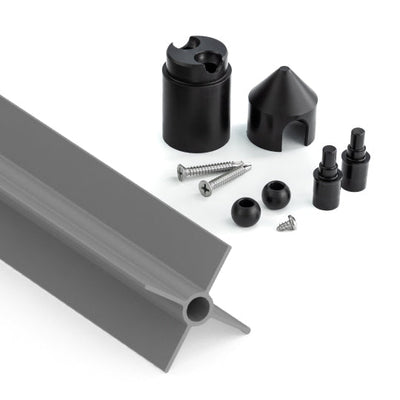
- Dual Knuckle Post Kit: $16.99 USD (replacement bearing assembly)
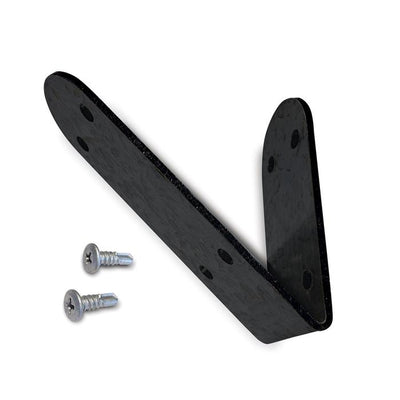
- Bracket (single): $3.19 USD (quick-swap component)
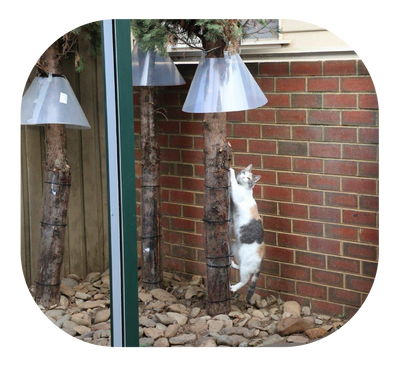
- Cat Tree Guard: $27.99 USD (tree/pole protection)
- Axle Pin (replacement set): $2.99 USD (wear item after 5+ years)
- Cat Paddle Set (pair): $25.99 USD (rarely needed)
Five-Year Maintenance Cost Estimate: $30–$100 USD in replacement components (if needed). Most North American installations require zero replacement parts during this period.
Recommended Maintenance Schedule Summary
| Season | Frequency | Primary Tasks | Time Required |
|---|---|---|---|
| Spring | Once (March) | Full inspection, bearing test, fastener check | 45–60 min |
| Summer | Monthly | Bearing rotation, debris removal | 20–30 min |
| Fall | Once (September) | Deep clean, weatherproofing check | 40–50 min |
| Winter | Monthly (cold regions) | Moisture check, fastener inspection | 15–20 min |
Your System's Long-Term Performance
Oscillot systems installed in North America continue functioning reliably for 20+ years with only basic seasonal maintenance. The investment in 2–3 hours per year in maintenance is minimal compared to the peace of mind and system longevity you receive.
Shop Replacement Parts & Accessories
Consistent seasonal maintenance is your guarantee that your Oscillot system performs flawlessly year after year, keeping your cats safe regardless of North American climate conditions.


